

Living in the Valley of the Sun comes with a lot of perks, like beautiful desert landscapes, stunning sunsets, and winters that make the rest of the country jealous. But when summer rolls around, the heat can put a lot of stress on your vehicle, sometimes leading to the need for auto glass and windshield replacement in Phoenix. We see firsthand how extreme temperatures in Phoenix affect automotive glass. To the naked eye, your windshield looks like a solid, immovable shield against the elements. In reality, it is a highly dynamic component that reacts intensely to temperature changes. Over time, the relentless Arizona summer can weaken your windshield and even pose a major safety hazard.
Here is a deep dive into how Phoenix heat damages your windshield over time, how you can prevent it, and what to do when the damage is already done.
Glass Expansion and Contraction
To understand how heat affects a windshield, first, you have to understand how automotive glass is made.
Your windshield isn’t just a regular sheet of glass like the ones in a picture frame. It is made of laminated safety glass, which consists of two layers of glass sandwiched around a thin layer of polyvinyl butyral (PVB) plastic. This design keeps the glass from shattering into dangerous shards in an accident.
However, like most materials, glass expands when it gets hot and contracts when it cools down. In Phoenix, summer daytime temperatures routinely soar past 110°F. If your car is parked out in the open, the temperature inside the cabin can easily climb past 130°F, and the surface of the windshield itself can reach an astonishing 200°F.
When glass reaches these extreme temperatures, it expands. The real trouble starts when you get into your car and immediately blast the air conditioning. Within seconds, the freezing cold air hits the superheated glass. This rapid temperature shift forces the glass to contract in certain areas while remaining expanded in others. This type of thermal shock places an immense amount of physical stress on the structural integrity of the windshield.
From Small Chips to Long Cracks
If your windshield is perfectly flawless, it might survive this daily cycle of expansion and contraction for a while. But on Arizona highways, flawless windshields are rare. Between loose gravel and construction debris, many drivers have tiny rock chips or pits in their glass.
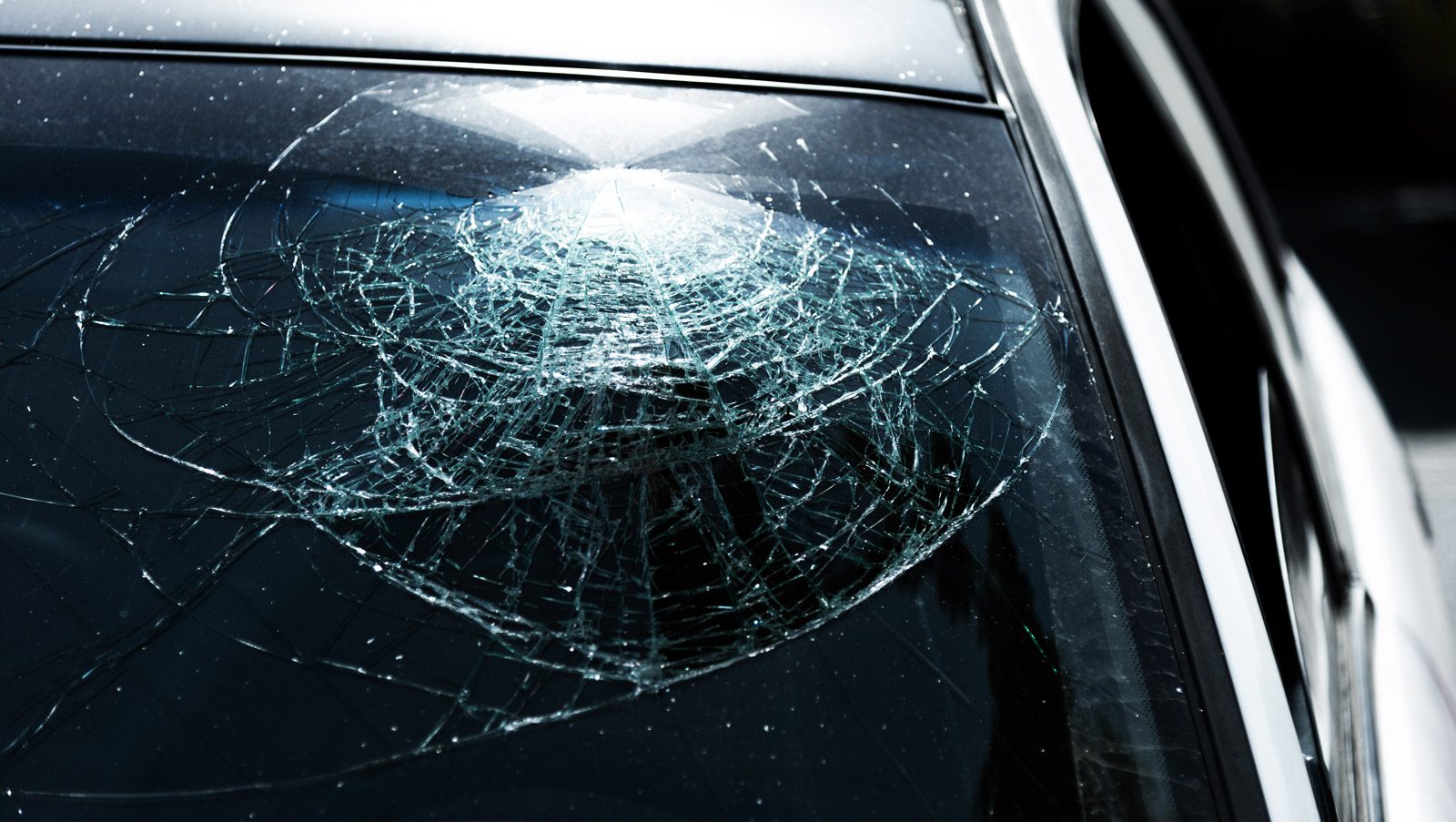
Because the glass is constantly flexing and expanding under the sun, the molecular bond around the chip is already weakened. When you add the pressure of thermal shock (like blasting the A/C), the stress concentrates entirely on that tiny weak point. Suddenly, without warning, you’ll hear a loud pop, and that microscopic chip will instantly spiderweb across your field of vision, morphing into a massive crack.
Weakened Windshields and Degraded Adhesive
The damage caused by the Arizona heat isn’t always as obvious as a giant crack. Sometimes, the heat weakens the windshield in ways you can’t even see.
The accoustic interlayer that holds the two sheets of glass together can suffer from prolonged UV exposure and extreme heat. Over years of baking in the desert sun, this plastic layer can begin to degrade, potentially causing delamination where the glass layers start to separate. When this happens, the windshield loses a significant amount of its structural strength.
Why does this matter?
Your windshield is a vital safety feature. In a front-end collision, the windshield provides much of the cabin’s structural integrity, and in a rollover accident, it provides much of the strength needed to keep the roof from caving in. Additionally, the airbags rely on the windshield to bounce off of when deploying. If the glass is structurally weakened by the heat, the windshield could fail to do its job properly during an accident, putting you and your passengers at severe risk.
How to Protect Your Windshield From the Heat
You’re probably thinking, how do I protect my windshield with the inevitable heat we get in Phoenix? Great question.
While you can’t change the Arizona climate, there are active steps you can take to shield your vehicle from the worst of the summer sun. Here are a few essential prevention tips:
- Park in the Shade Whenever Possible: It sounds simple, but parking under a tree, a parking garage, or a carport can reduce the surface temperature of your windshield by dozens of degrees. If you have a garage at home, use it to park your car inside.
- Use a High-Quality Sunshade: A reflective sunshade placed inside your windshield blocks UV rays and helps prevent the cabin from turning into an oven.
- Cool Down Your Car Gradually: When you get into a hot car, resist the urge to turn the A/C onto the maximum setting immediately. Instead, roll down the windows to let the hot air escape, set the A/C to a moderate temperature, and gradually increase the cooling power. Avoid pointing the dashboard vents directly at the windshield.
- Leave Your Windows Slightly Cracked (If Possible): If you are parking in a safe, secure location, leaving your windows open a fraction of an inch lets hot air vent out, lowering cabin pressure and temperature.
- Fix Chips and Cracks Immediately: Never ignore a rock chip or a windshield crack, especially in the summer. A chip that could have been easily fixed can turn into a full windshield replacement if you don’t address it.
When Does a Windshield Replacement Become Necessary?
Many minor chips can be safely repaired if they are smaller than a quarter and aren’t directly in the driver’s line of sight. However, the extreme heat we get often pushes the windshield to a point where it needs to be replaced.
You will need a full windshield replacement if:
- The crack is longer than a credit card.
- The damage is located along the outer edge of the windshield (which compromises structural integrity).
- The chip or crack is directly in the driver’s line of vision (repairs can leave a slight distortion that impairs view).
- The windshield is showing signs of cloudiness or delamination from years of sun exposure.
The Ultimate Solution for Heat-Related Damage
If the Arizona summer has already taken its toll on your vehicle, don’t wait for a small crack to turn into a bigger one. Driving with a compromised windshield endangers everyone in the vehicle and can even result in a traffic citation.
Preferred Auto Glass can help!
We specialize in helping Valley drivers stay safe on the road. We offer full windshield replacement services, and we can come straight to you with our free mobile service. Alternatively, you can visit us at our shop for a full replacement or repair.
Don’t let the Phoenix heat compromise your safety. Contact Preferred Auto Glass today to schedule your service and keep your view of the beautiful Arizona landscape crystal clear!
